
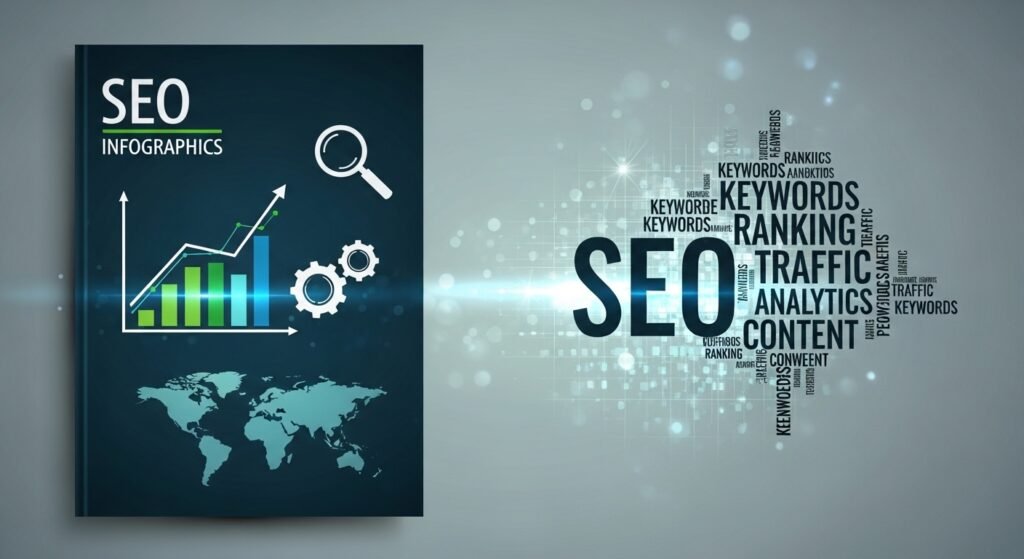
Launching a new business website is an exciting milestone, but without a clear SEO strategy, even the best-looking website can struggle to gain visibility. In 2026, competition across almost every industry is fierce, which makes search engine optimization not just an option but a necessity. A complete SEO strategy helps new businesses build authority, attract the right audience, and convert visitors into customers over time.
This guide explains a complete SEO strategy for new business websites, covering everything from technical SEO and on page SEO to off page SEO, local SEO, and advanced digital marketing integrations such as content marketing, social media marketing, PPC advertising, Google Ads management, Meta Ads management, and email marketing.
Understanding SEO for New Business Websites
SEO is the process of optimizing your website so it appears higher in search engine results when users search for relevant products or services. For new businesses, SEO is about building trust, earning visibility, and establishing long-term growth rather than expecting instant results.
Unlike paid advertising, SEO delivers sustainable traffic over time. While SEO services require patience, they provide compounding benefits that continue to grow as your website gains authority.
Step 1: Technical SEO: Establishing a Solid Base
Before content or backlinks, technical SEO must be addressed. This is the backbone of your website and ensures search engines can crawl, index, and rank your pages properly.
Website Speed & Performance
Fast websites rank better and convert more users. Optimize:
-
Image sizes
-
Server response times
-
Caching
-
Core Web Vitals
Mobile Optimization
With mobile-first indexing, your website must be fully responsive. A responsive design ensures your site adapts to all screen sizes while improving usability and rankings.
Secure Website (HTTPS)
Security is essential for trust and rankings. HTTPS protects user data and is a confirmed Google ranking factor.
Crawlability & Indexing
Ensure:
-
XML sitemaps are submitted
-
Robots.txt is correctly configured
-
No important pages are blocked
Clean URL Structure
SEO-friendly URLs improve usability and indexing. Clear URLs make it easier for search engines and people to comprehend the content of pages.
Technical SEO may not be visible to users, SEO Strategy for Businesses but it plays a vital role in long-term SEO success.
Step 2: On Page SEO – Optimizing Website Content
Once technical SEO is complete, on page SEO focuses on optimizing content and page elements so search engines understand relevance and context.
Keyword Research
Keyword research helps identify what your audience is searching for. Focus on:
-
Informational keywords
-
Transactional keywords
-
Local intent keywords
Title Tags & Meta Descriptions
Well-optimized titles and meta descriptions improve click-through rates and rankings. Every page should target one primary keyword.
Header Structure (H1–H6)
Headers improve content readability and help search engines understand structure.
Internal Linking
Internal links distribute authority across pages and improve crawlability.
Content Optimization
High-quality content must be:
-
Informative
-
Original
-
Keyword-optimized (naturally)
-
User-focused
On page SEO ensures your website speaks the same language as search engines and users.
Step 3: Content Marketing – Driving Organic Growth
Content marketing is the heart of SEO. Without valuable content, ranking is extremely difficult.
Blog Content
Blogs help target long-tail keywords and educate potential customers.
Service Pages
Service pages must clearly explain your offerings, benefits, and solutions.
Visual Content
Infographics, videos, and images improve engagement and dwell time.
Content Consistency
Publishing consistently builds topical authority and trust.
Content marketing not only supports SEO but also strengthens branding SEO Strategy for Businesses and conversions.
Step 4: Off Page SEO – Building Authority & Trust
Off page SEO focuses on actions taken outside your website to build authority.
Link Building
High-quality backlinks signal trust and relevance. Focus on:
-
Guest posting
-
Business directories
-
Industry partnerships
-
Editorial mentions
Brand Mentions
Even unlinked mentions can improve brand authority.
Online Reputation
Reviews and citations influence trust and local rankings.
Off page SEO is essential for competitive industries and long-term ranking growth.
Step 5: Local SEO – Visibility for Local Businesses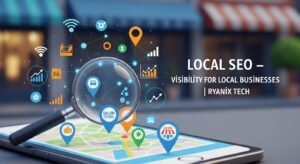
For new businesses serving specific locations, local SEO is critical.
Google Business Profile
Optimize your listing with:
-
Accurate NAP details
-
Categories
-
Photos
-
Reviews
Local Keywords
Use location-based keywords across pages.
Local Citations
Consistent listings across directories strengthen local trust.
Reviews Management
Positive reviews improve visibility and conversions.
Local SEO helps new businesses attract nearby customers actively searching for services.
Step 6: Social Media Marketing & SEO Integration
While social signals are not direct ranking factors, social media marketing amplifies SEO efforts.
Content Promotion
Sharing content increases visibility and engagement.
Brand Awareness
Stronger brand signals indirectly support SEO.
Traffic Generation
Social platforms drive referral traffic that boosts engagement metrics.
An active social presence complements your SEO strategy and strengthens authority.
Step 7: PPC Advertising & SEO Synergy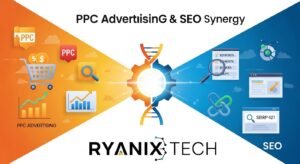
Paid advertising accelerates visibility while SEO builds long-term growth.
PPC Advertising
PPC allows immediate traffic and testing of keywords.
Google Ads Management
Google Ads helps identify high-converting keywords that can later be targeted through SEO.
Meta Ads Management
Facebook and Instagram ads improve brand recognition and retarget visitors.
When SEO and PPC work together, businesses gain both short-term and long-term benefits.
Step 8: Email Marketing & SEO Retention Strategy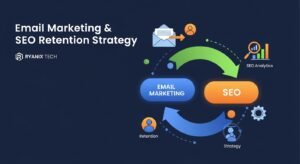
Email marketing supports SEO by retaining visitors and increasing repeat traffic.
Lead Nurturing
Email campaigns convert organic visitors into loyal customers.
Content Distribution
Share blog updates and offers directly with subscribers.
Brand Loyalty
Returning users improve engagement metrics that indirectly support SEO.
Email marketing ensures SEO traffic continues delivering value beyond the first visit.
Step 9: Analytics, Tracking & Continuous Improvement
SEO is not a one-time process.
Google Analytics
Track traffic, behavior, and conversions.
Google Search Console
Monitor indexing, keywords, and technical issues.
Regular SEO Audits
Identify and fix performance gaps.
Content Updates
Refreshing content improves rankings and relevance.
Data-driven SEO decisions ensure sustainable growth.
Step 10: Choosing the Right SEO Services for New Businesses
Professional SEO services help new businesses avoid costly mistakes and accelerate growth.
A reliable SEO provider offers:
-
Technical SEO audits
-
On page SEO optimization
-
Off page SEO strategies
-
Local SEO campaigns
-
Content marketing support
-
PPC advertising integration
Choosing the right partner ensures long-term success and measurable ROI.
Final Thoughts: Building a Future-Proof SEO Strategy
A complete SEO strategy for new business websites requires patience, consistency, and a holistic approach. By combining technical SEO, on page SEO, off page SEO, local SEO, and content marketing, businesses can build strong foundations. When supported by social media marketing, PPC advertising, Google Ads management, Meta Ads management, and email marketing, SEO becomes a powerful growth engine.
In 2026 and beyond, businesses that invest early in SEO will outperform competitors, SEO Strategy for Businesses gain trust faster, and achieve sustainable online success.